Few dashboard moments cause more anxiety than a check engine light flicking on during your commute down the 805. The frustrating part is that the light itself tells you almost nothing. It's a blanket warning that could mean a two-dollar part or a two-thousand-dollar repair. Here's how to actually think about it.
Solid light vs. flashing light
This is the single most important distinction. A steady, solid check engine light means the computer has detected a problem that should be looked at soon, but it's typically safe to keep driving carefully in the short term. A flashing check engine light is different. It usually signals an active engine misfire that's dumping unburned fuel into the exhaust system, which can overheat and destroy a catalytic converter within minutes. If it's flashing, reduce speed, avoid heavy acceleration, and get it looked at the same day.
What the light is actually reading
Every car built since 1996 has an OBD-II port that logs standardized trouble codes whenever a sensor reading falls outside expected range. These codes point to a system, not always a specific broken part. A code for a "lean fuel mixture," for example, could mean a vacuum leak, a dying oxygen sensor, a clogged fuel injector, or something as simple as a loose gas cap. That's why guessing from a code alone is unreliable. A proper diagnostic pulls the code, then checks live sensor data and does targeted testing to confirm the actual cause.
The most common San Diego causes we actually find
In our experience running calls across Kearny Mesa, Clairemont, and the wider San Diego area, a handful of causes show up again and again:
Loose or failing gas cap. This sounds too simple to be real, but an improperly sealed cap breaks the fuel system's vapor seal and is one of the most common single causes of an illuminated light with no other symptoms.
Oxygen sensor failure. These sensors measure exhaust gases to keep the fuel mixture correct. They wear out gradually, usually after 60,000 to 90,000 miles, and a failing one quietly hurts your fuel economy long before it triggers the light.
Catalytic converter issues. San Diego's stop-and-go freeway traffic is hard on converters. A failing one often follows an ignored misfire or oxygen sensor problem, which is one more reason not to let small issues sit.
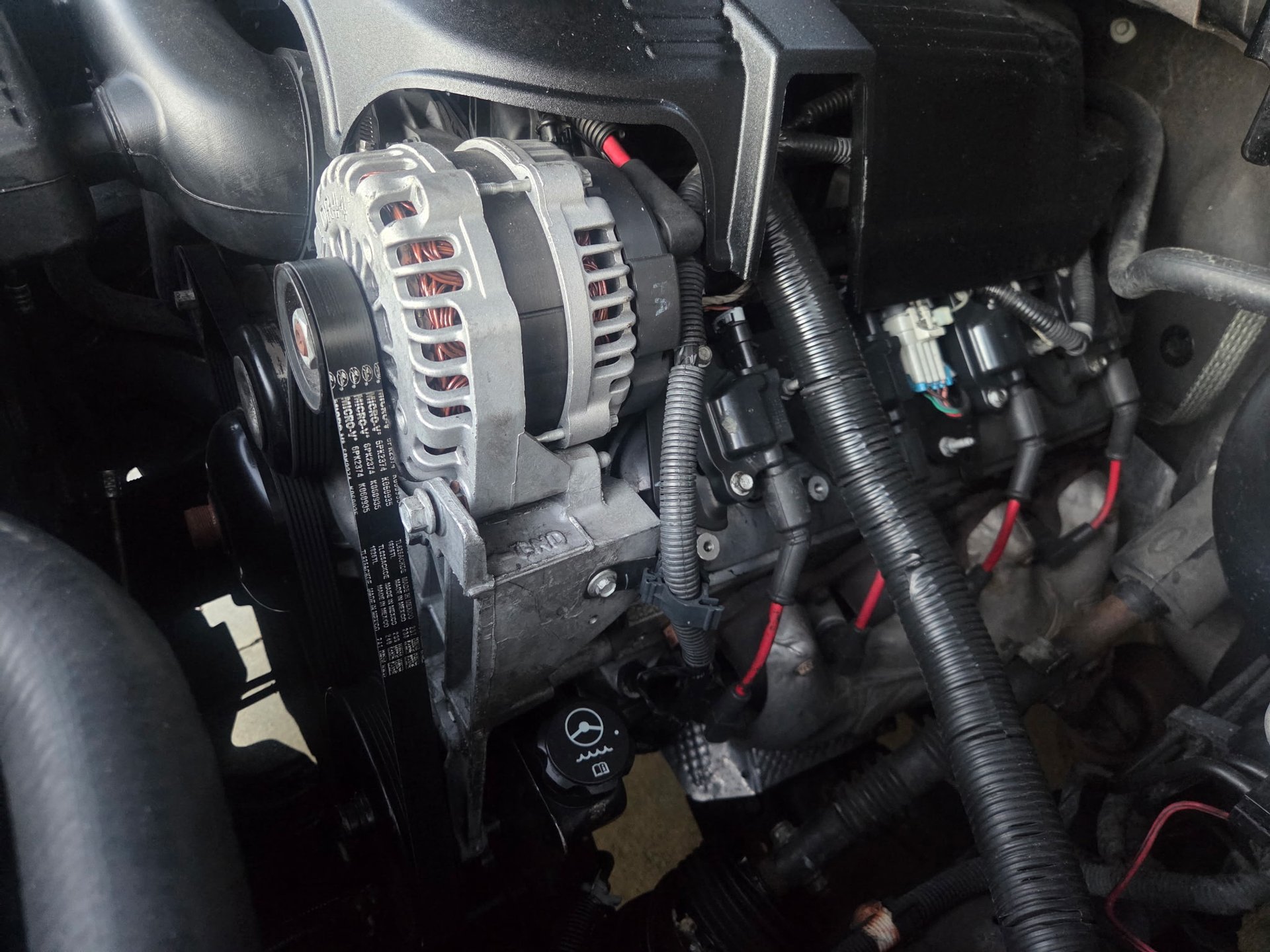
Mass airflow sensor contamination. Dust and oil from aftermarket air filters can coat this sensor, causing it to misreport how much air is entering the engine.
Loose or aging ignition components. Spark plugs and ignition coils wear out over time. A failing one causes a misfire, which is exactly the kind of problem that can escalate from "solid light" to "flashing light" if left unaddressed.
What to check yourself before calling anyone
Before you assume the worst, there are two free checks worth doing. First, make sure your gas cap is fully tightened. Give it a few extra clicks after your next fill-up and see if the light clears after a few drive cycles. Second, pay attention to how the car is actually running. Rough idle, hesitation on acceleration, or a noticeable drop in fuel economy all suggest something more than a sensor error, and they're useful details to mention when you call for service.
Why a proper scan matters more than a quick guess
Many chain auto parts stores will read your code for free, which is a fine starting point, but a code alone is not a diagnosis. Two different problems can throw the exact same code, and the free reader can't tell you which one you have. A real diagnostic uses a bidirectional scan tool that reads live data streams (fuel trims, oxygen sensor voltage, misfire counters) and can run active tests on components. That's the difference between replacing the actual failed part on the first visit and guessing your way through a parts-swapping process that costs more in time and money than doing it right the first time.
The cost of waiting
A check engine light rarely fixes itself, and small problems compound. A $40 oxygen sensor ignored for a year can contribute to a converter failure that costs well over $1,000 to replace. A loose gas cap costs nothing to fix but, if mistaken for something serious, can lead to unnecessary part replacement. The pattern holds across almost every cause: the earlier it's diagnosed correctly, the cheaper and simpler the fix.
If your check engine light just came on anywhere in the San Diego area, call (619) 736-6573 and we'll bring a professional scan tool straight to you, whether that's home, office, or roadside, and tell you exactly what's actually wrong before you spend a dime on repairs.